Everyday rituals
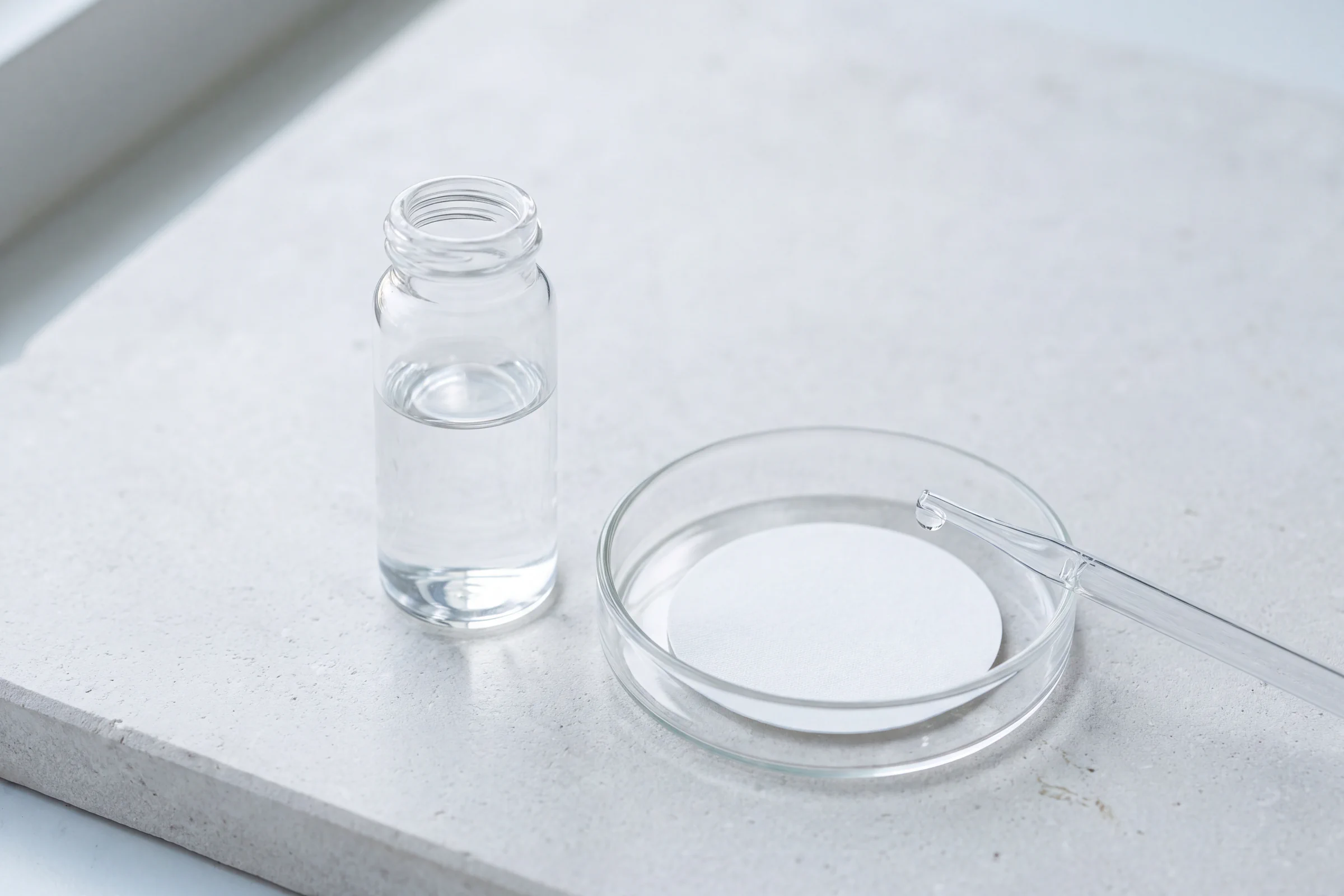
How to Store Bottled Water at Home
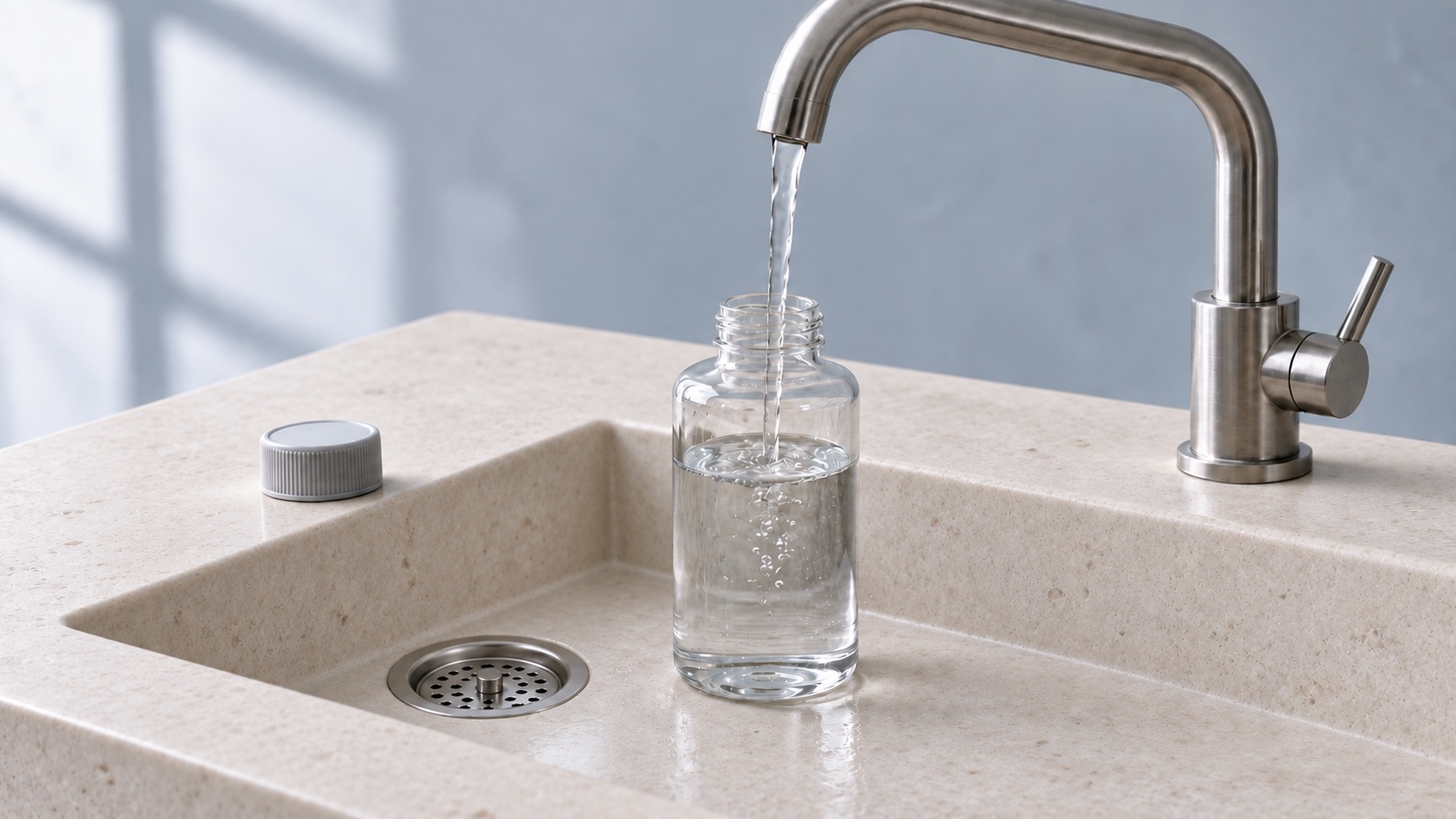
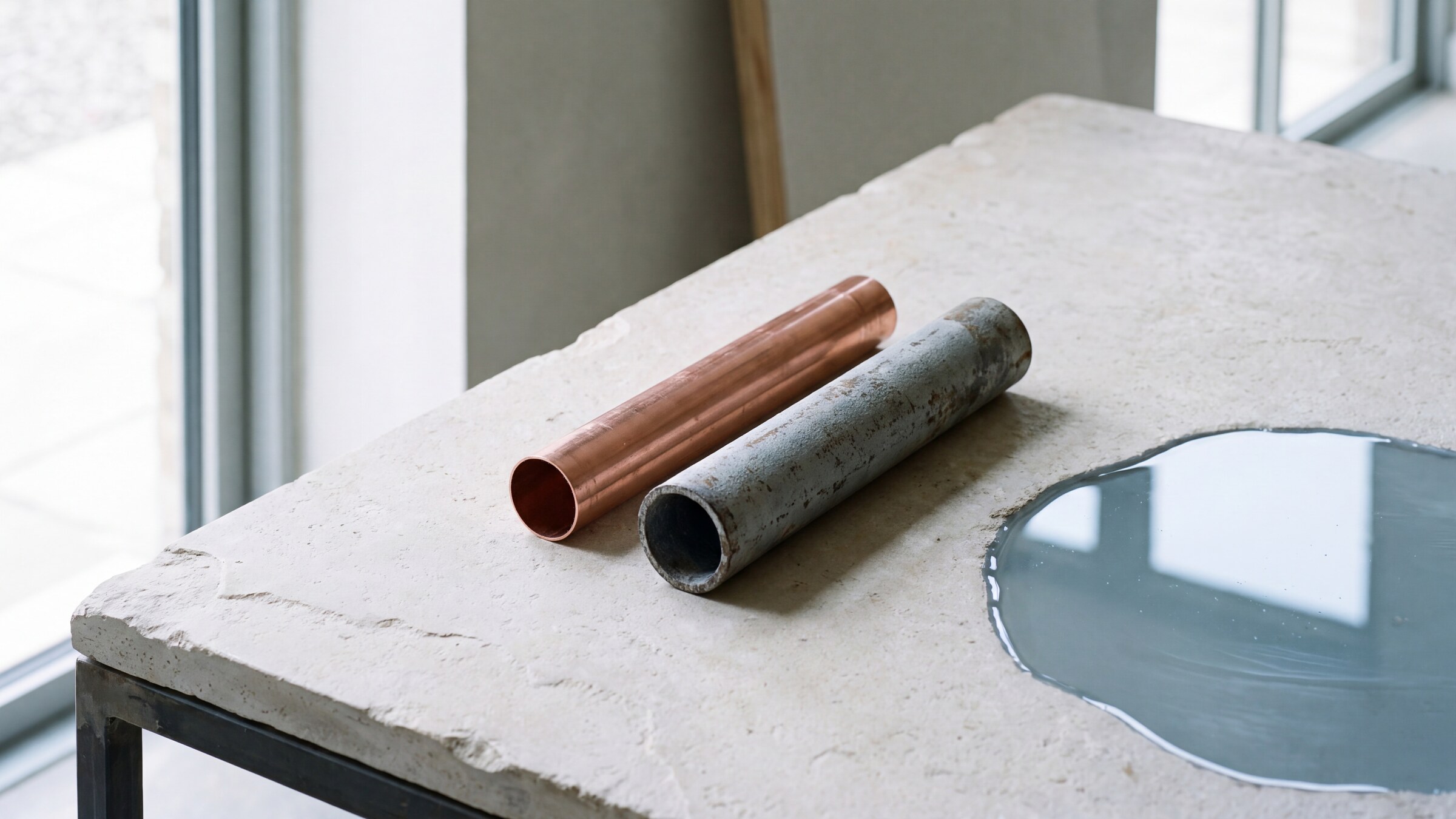
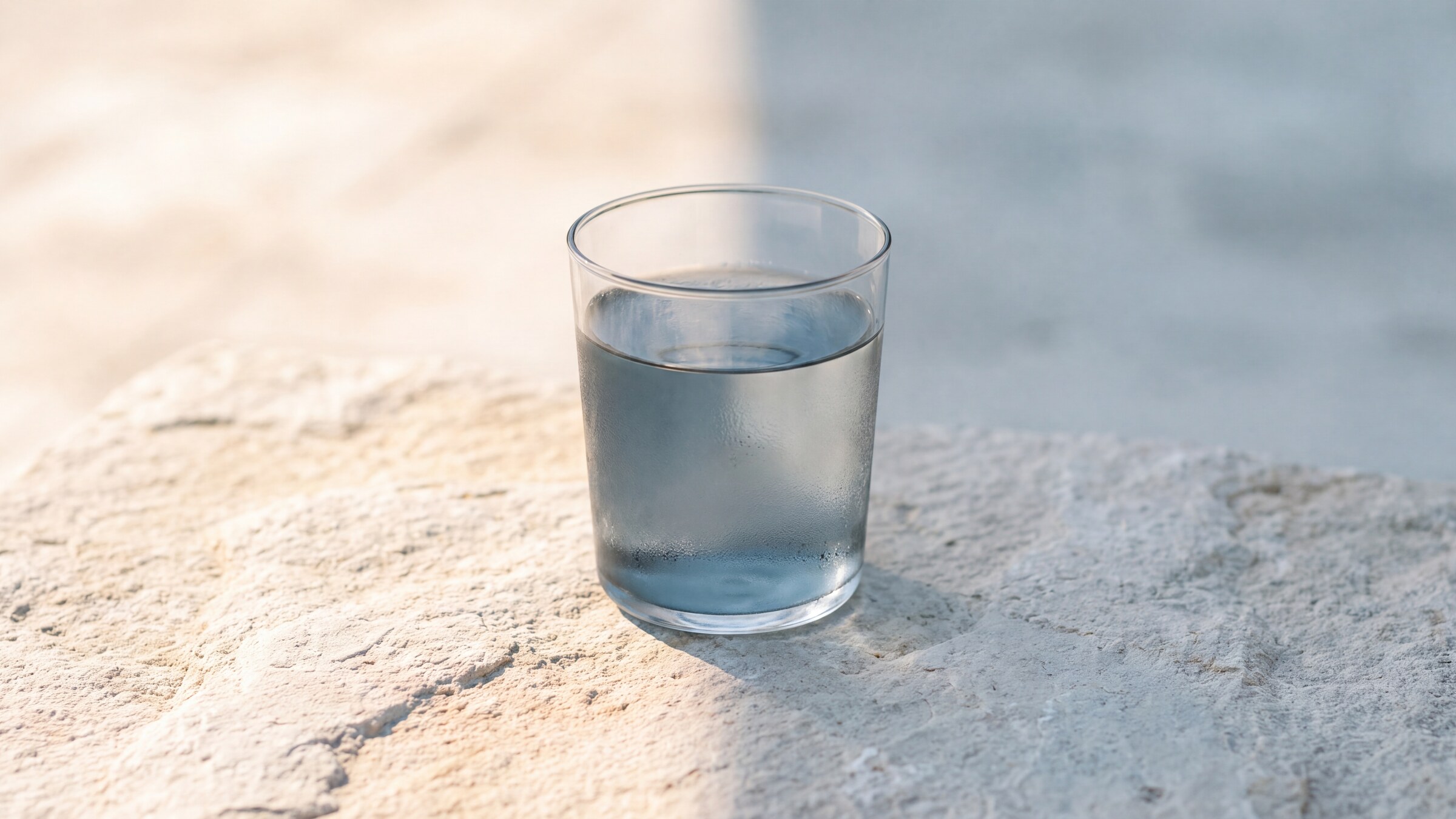
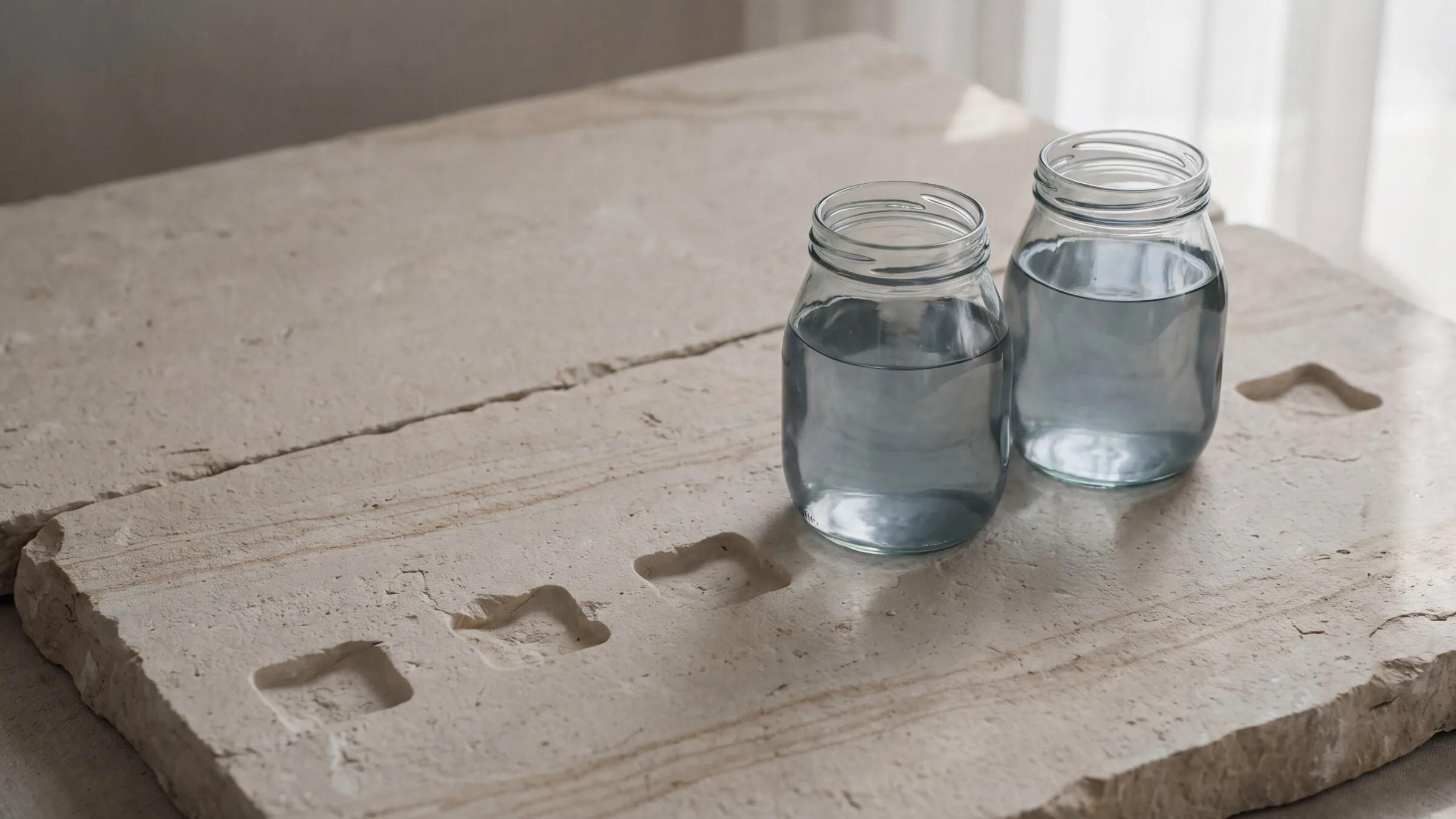
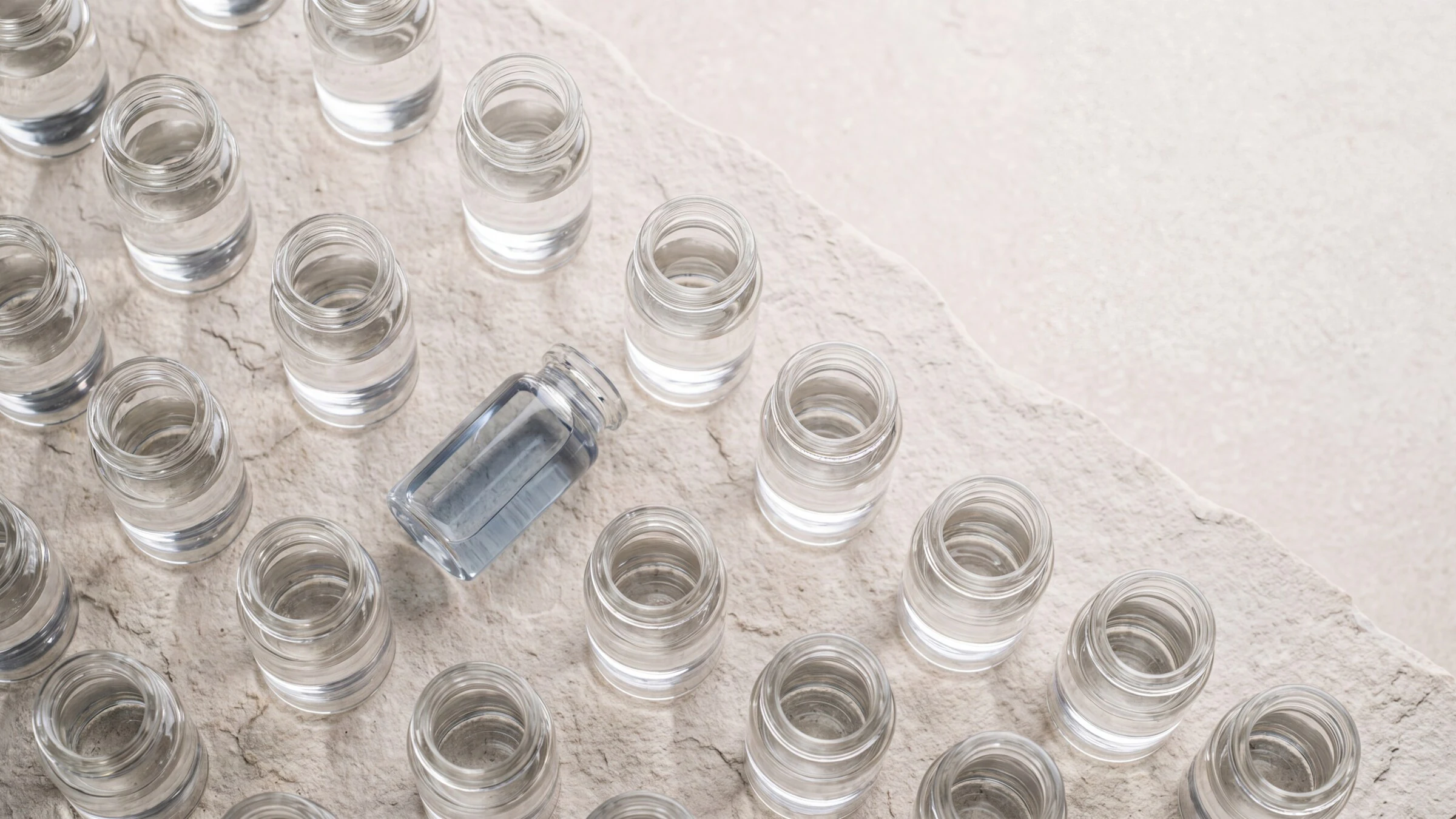
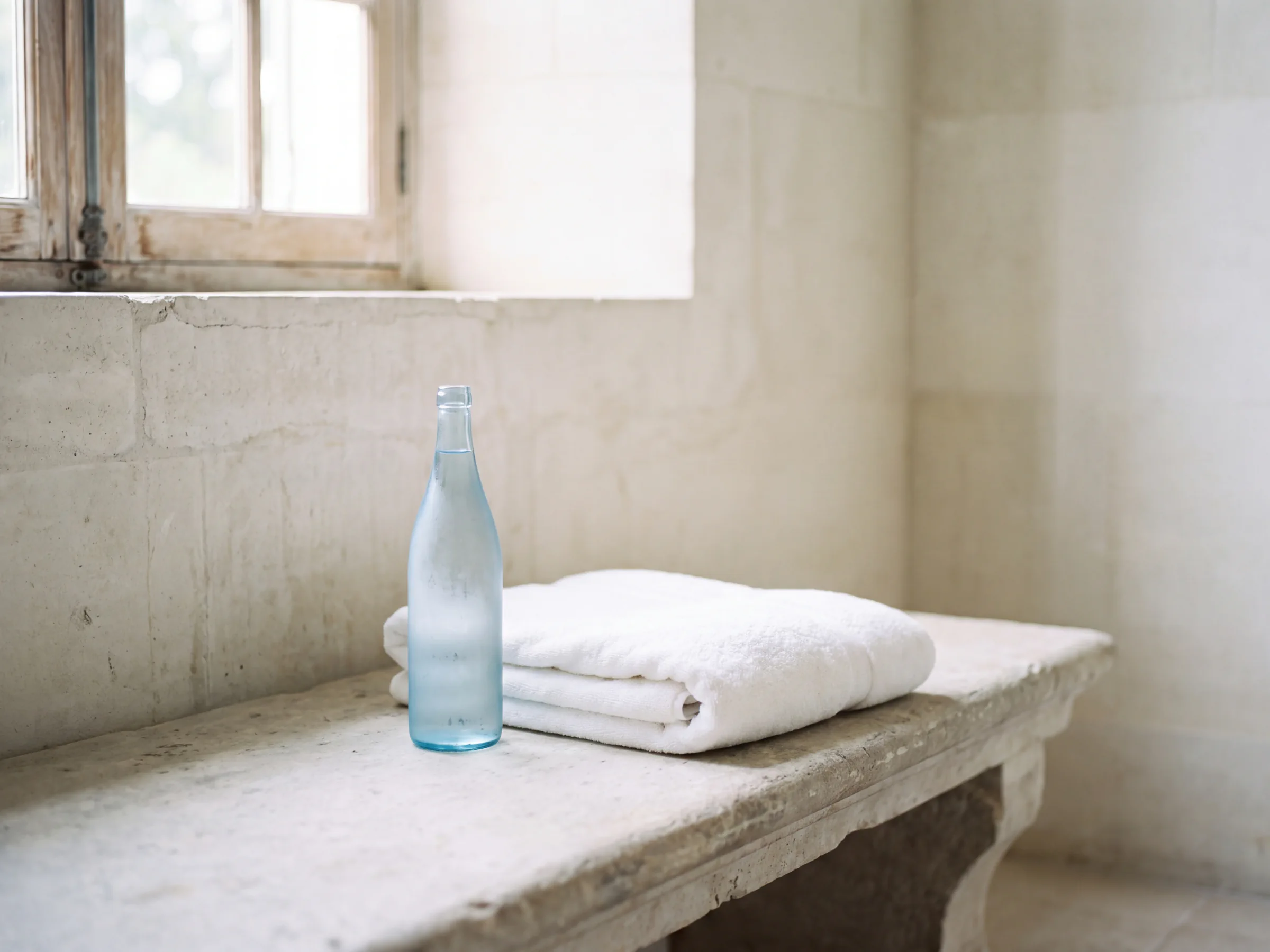
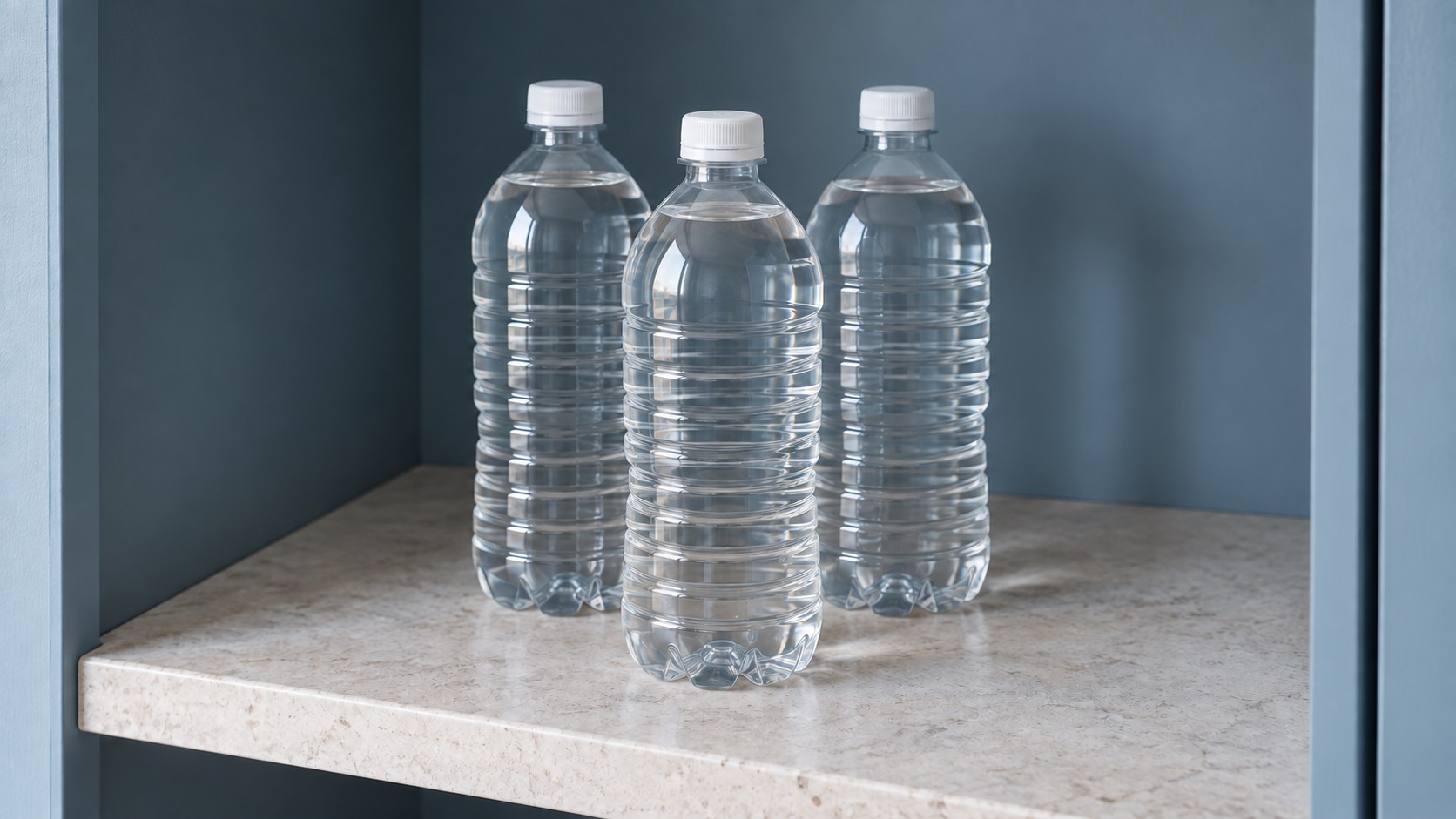
Give bottled water a clean, shaded place indoors, keep its dates visible, and separate everyday stock from emergency supplies. A simple storage routine starts before the cap comes off.
4 min read
Unbelievable Water
Good questions. Everyday recovery.
Explore water, Body + Mind, and the small rituals that help make room for a better day.
Everyday rituals
Give bottled water a clean, shaded place indoors, keep its dates visible, and separate everyday stock from emergency supplies. A simple storage routine starts before the cap comes off.
4 min read
Read the story37 stories
Everyday rituals
Give bottled water a clean, shaded place indoors, keep its dates visible, and separate everyday stock from emergency supplies. A simple storage routine starts before the cap comes off.
4 min read
Everyday rituals
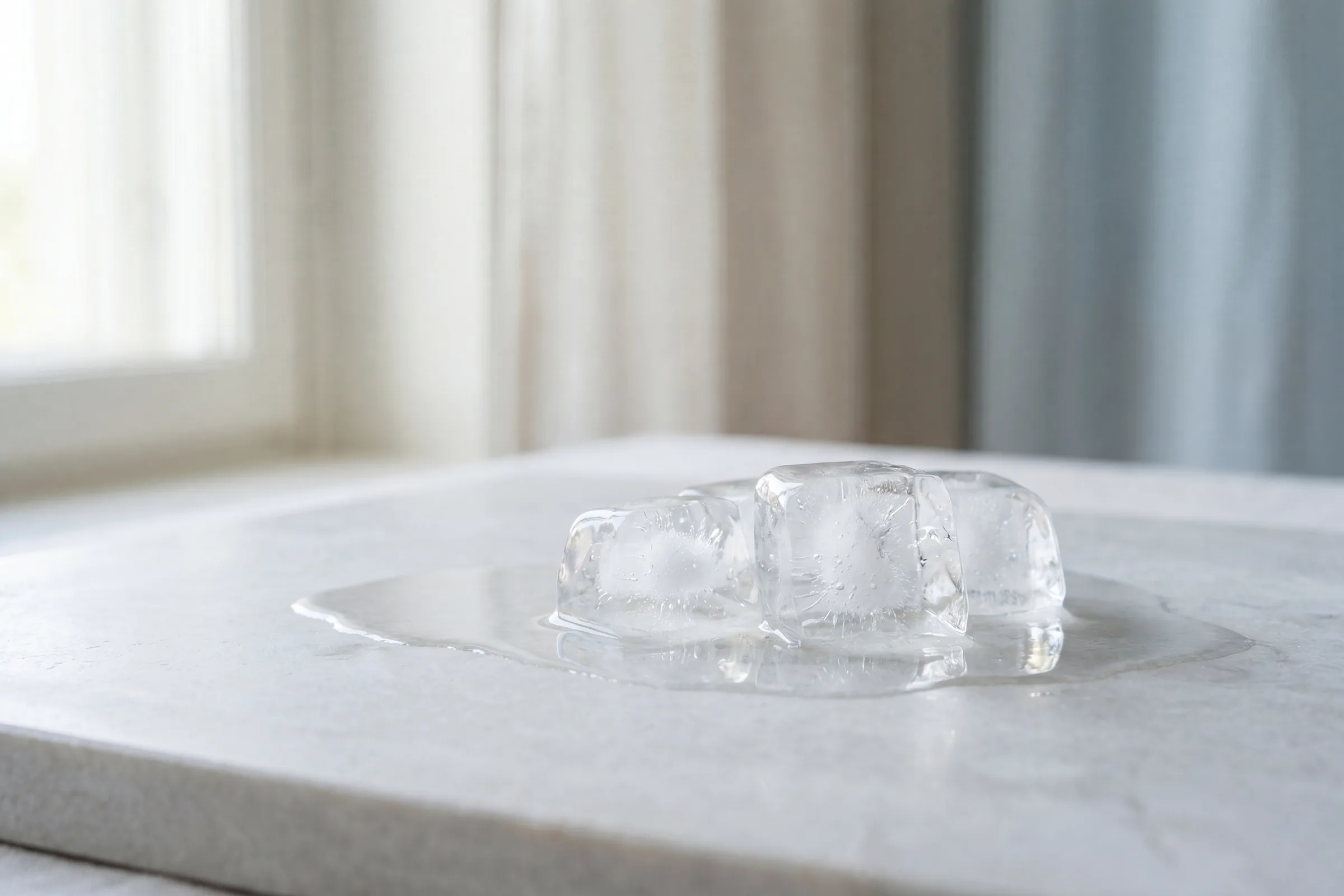
As ice melts, its water becomes part of your drink. Pay attention to the source, freezer storage and serving routine—not just the bottle you pour.
4 min read
Everyday rituals
Water is the largest ingredient in a brewed cup. Its mineral composition and buffering capacity can change the drink, but more extraction does not necessarily mean better flavor.
5 min read
Everyday rituals
Set up a blind tasting with three or four waters, identical glasses and a scorecard. Compare what you notice before revealing the labels.
5 min read
Water science
The evidence for alkaline water depends on the outcome studied and the water’s composition. A pH number alone cannot establish a health benefit.
4 min read
Water science
A quick reference for four water measurements: what they describe, which units they use and where the numbers stop helping.
5 min read
Water science
A sodium value in mg/L becomes easier to interpret when you convert it to the amount in your serving. Start with the unit and the volume.
3 min read
Water science
Calcium and magnesium in water can contribute to dietary intake. Here is how to calculate the amount and interpret the absorption research.
4 min read
Water science
Dry cabin air can make eyes, lips and skin uncomfortable. That discomfort alone does not tell you that the whole body is dehydrated.
4 min read
Body + Mind
A bottle can be a useful reminder to drink. Its capacity is not a prescription, and finishing more water is not automatically healthier.
3 min read
Water science
Ordinary meals, prolonged sweating and gastrointestinal illness call for different approaches to fluid and mineral replacement.
5 min read
Body + Mind
Urine color changes with recent drinking, time of day, foods and medicines. It can help you notice a pattern, but it cannot diagnose hydration on its own.
4 min read
Body + Mind
Food and other drinks count toward your water intake. Understanding that is more helpful than trying to fit every day into eight identical glasses.
3 min read
Water & the world
EPA’s candidate list identifies subjects for further attention. Its monitoring rule would collect occurrence data. Here is how to tell which process a headline describes.
4 min read
Water & the world
A cooling system, an irrigated field and a drinking-water supply need different safeguards. EPA’s reuse plan supports projects designed around those uses.
4 min read
Water & the world
California and the EU are changing packaging requirements on different schedules. Here is what the rules measure, and what a bottle’s label can actually establish.
4 min read
Water & the world
WHO’s June 2026 update gives small water supplies more attention and strengthens practical guidance on preventing contamination.
4 min read
Water & the world
EPA’s 2026 funding allocation uses an estimate of roughly four million lead and galvanized service lines requiring replacement. Here is what that number means—and how to ask about the connection serving your home.
6 min read
Body + Mind
July 2026 was the hottest month on record across the contiguous United States. The hydration lesson is to match water, rest, and cooling to the conditions—not chase a universal gallon target.
5 min read
Water & the world
New federal guidelines set two years of reduced deliveries while leaving room for a longer agreement. Here is what is required, what is voluntary, and when the changes begin.
5 min read
Water & the world
EPA has proposed more compliance time for PFOA and PFOS while preserving their 4.0-ppt limits. A second proposal would narrow the 2024 rule. Here is what is final, what is proposed, and what water buyers should watch next.
5 min read
Water & the world
EPA's final UCMR 5 release gives the country a detailed national view of PFAS occurrence in public water systems. Reading it well means knowing what a detection can—and cannot—tell us.
5 min read
Our water
A microplastics result is only as meaningful as its method and particle-size threshold. Here is how to read what "none detected" actually proves.
5 min read
Everyday rituals
Minerals, temperature and serving conditions can change the experience of a glass of water. A useful tasting begins with comparison and your own observations.
2 min read
Water science
Source terms, treatment descriptions, and brand adjectives answer different questions. Learn what to check on a U.S. bottled-water label—and what a mineral number cannot establish.
3 min read
Our water
The thermocline marks a change in temperature, not a sealed divide. Understanding ocean layers helps separate a source story from a claim about what is in a bottle.
3 min read
Our water
Non-detect does not mean zero. The report’s method, reporting convention and tested sample define what the result can tell you.
3 min read
Water science
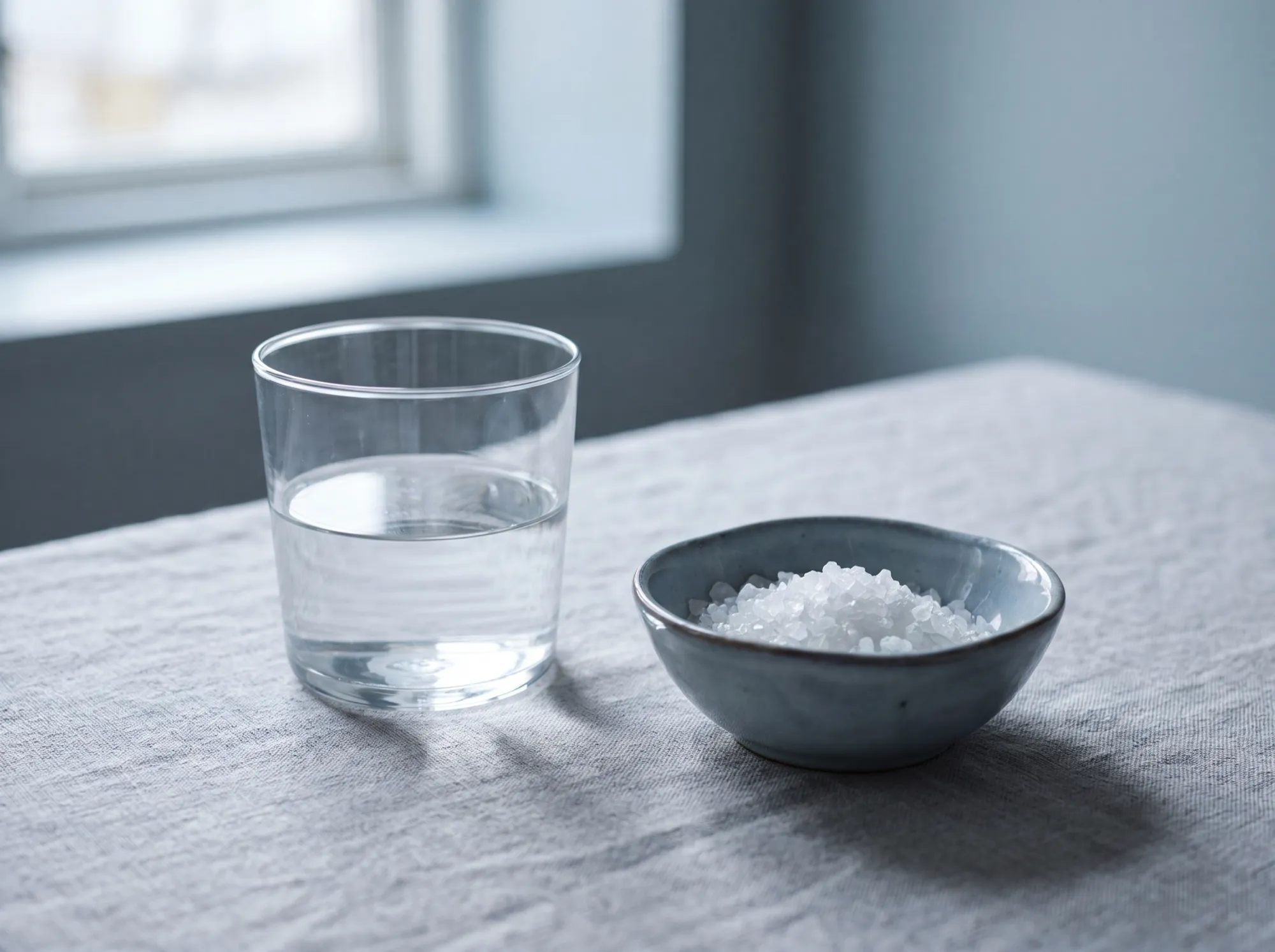
Dissolved minerals can look invisible in a glass, yet differ in measured concentration. Here is how to read the profile without turning it into a health ranking.
3 min read
Our water
At roughly 510 meters, ocean conditions differ from the surface. Depth explains part of a source’s environment; treatment and sample-specific testing explain the bottled water.
3 min read
Water science
A class of synthetic compounds is now found in rivers, aquifers, and municipal supplies across the planet. Here is why they persist, how they move, and what removal actually requires.
4 min read
Water science
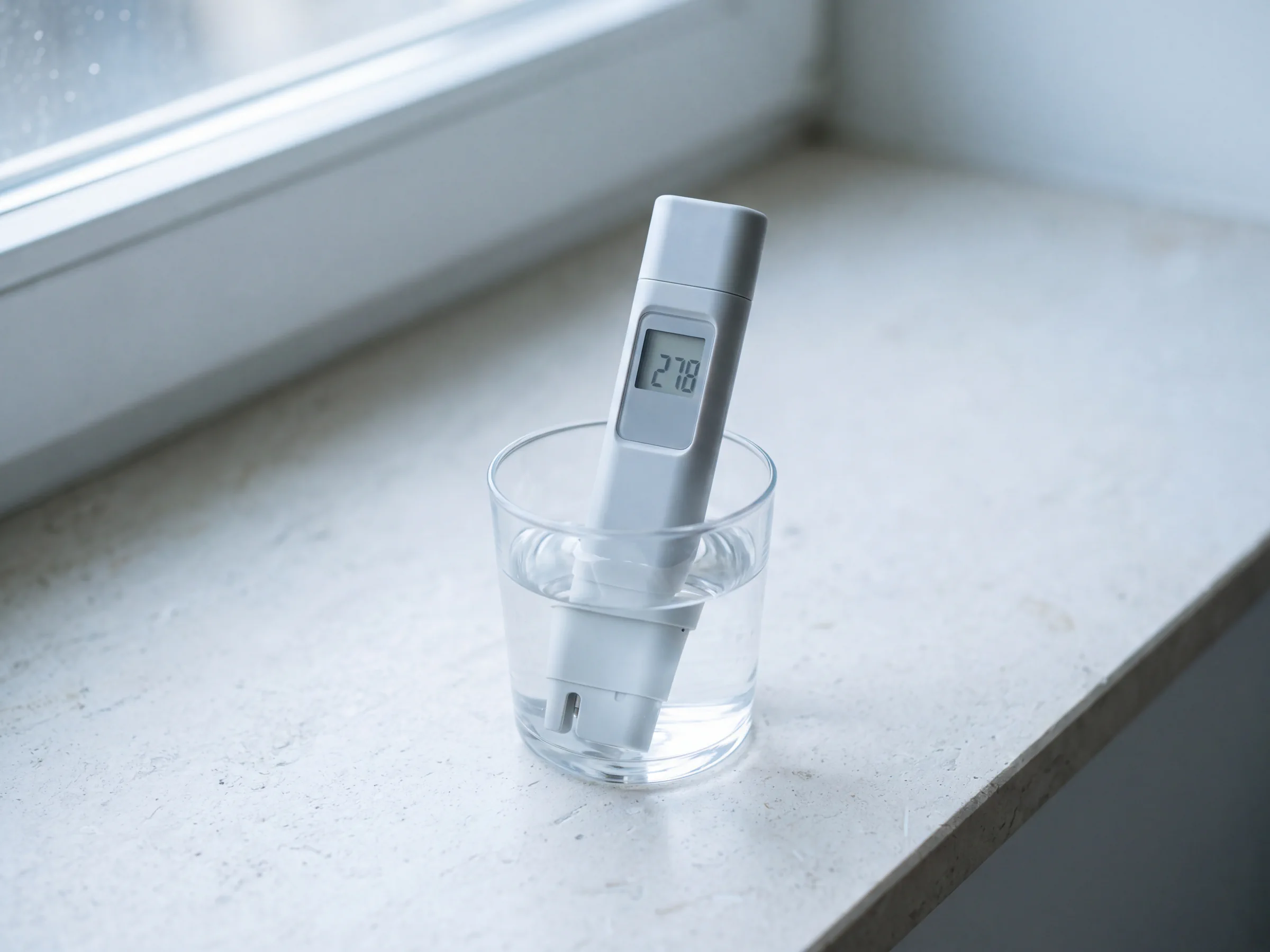
A higher number does not mean dirtier water. Here is what the reading on a TDS meter can, and cannot, tell you.
3 min read
Water science
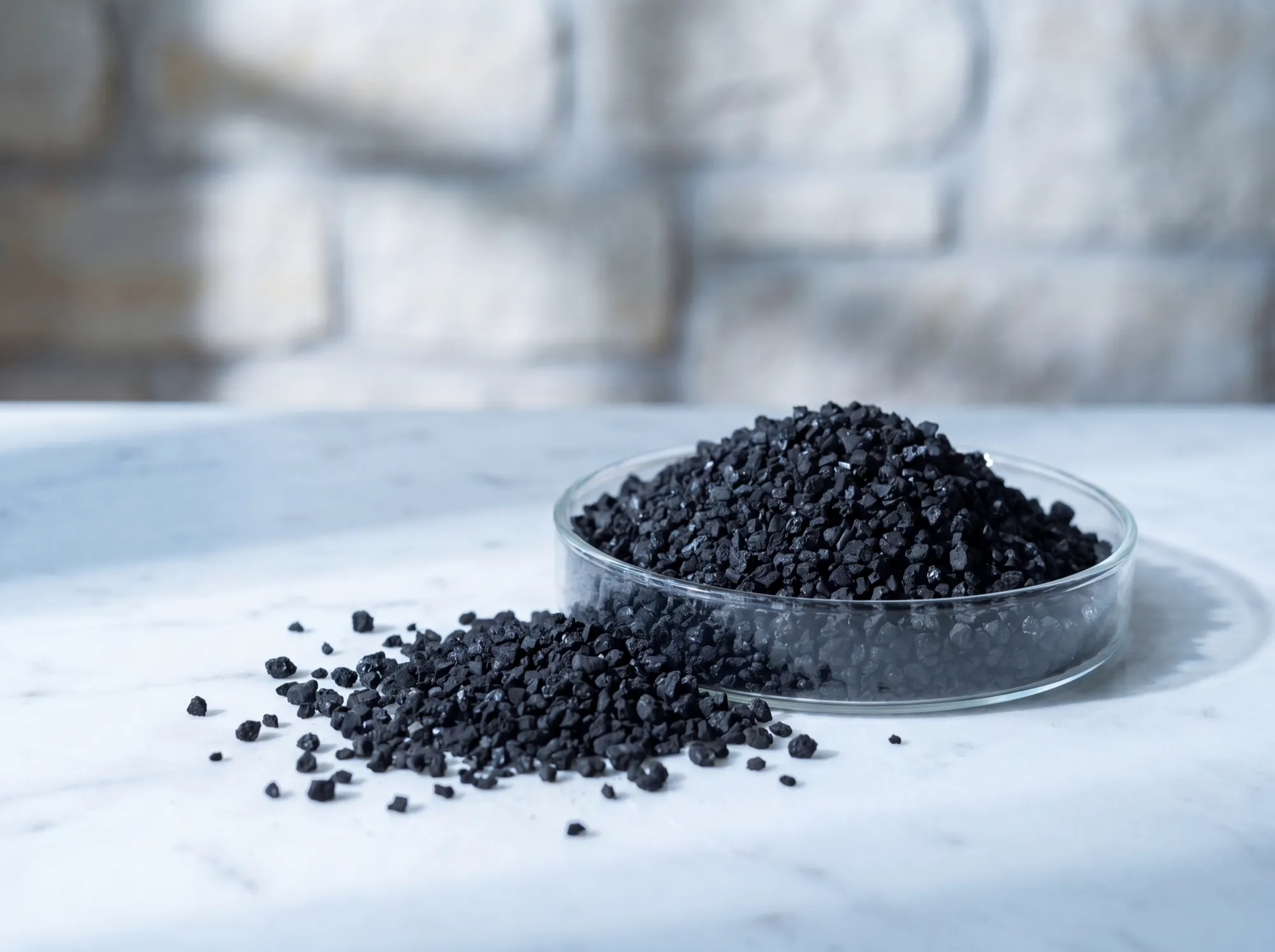
A carbon filter can be useful, but its performance belongs to a specific model and claim. Check the contaminant, certification, and replacement schedule—not just the word carbon.
4 min read
Body + Mind
Plain water hydrates. When heat, exercise, or illness changes what your body loses, the question becomes what else you may need—not whether water works.
3 min read
Body + Mind
A short workout and a long, hot endurance session ask different things of a drink. Start with the session, then consider fluids, sodium, and fuel.
3 min read
Our water
Source information, production checks and laboratory reports answer different questions. A guide to the dated records behind Unbelievable Recovery Water.
3 min read
Our water
A water-quality result is most useful when you can identify the product, sample, method, and reporting limits. Here is how to read our published testing information.
4 min read
Our water
A practical guide to Unbelievable Recovery Water: its published source, dated mineral and testing records, packaging and everyday use.
5 min read
Something you’re curious about?
Suggest a story