Water science
Where the Smell After Rain Comes From
That earthy scent has a name: petrichor. Its story begins in soil and rock, with compounds that moisture helps release into the air.
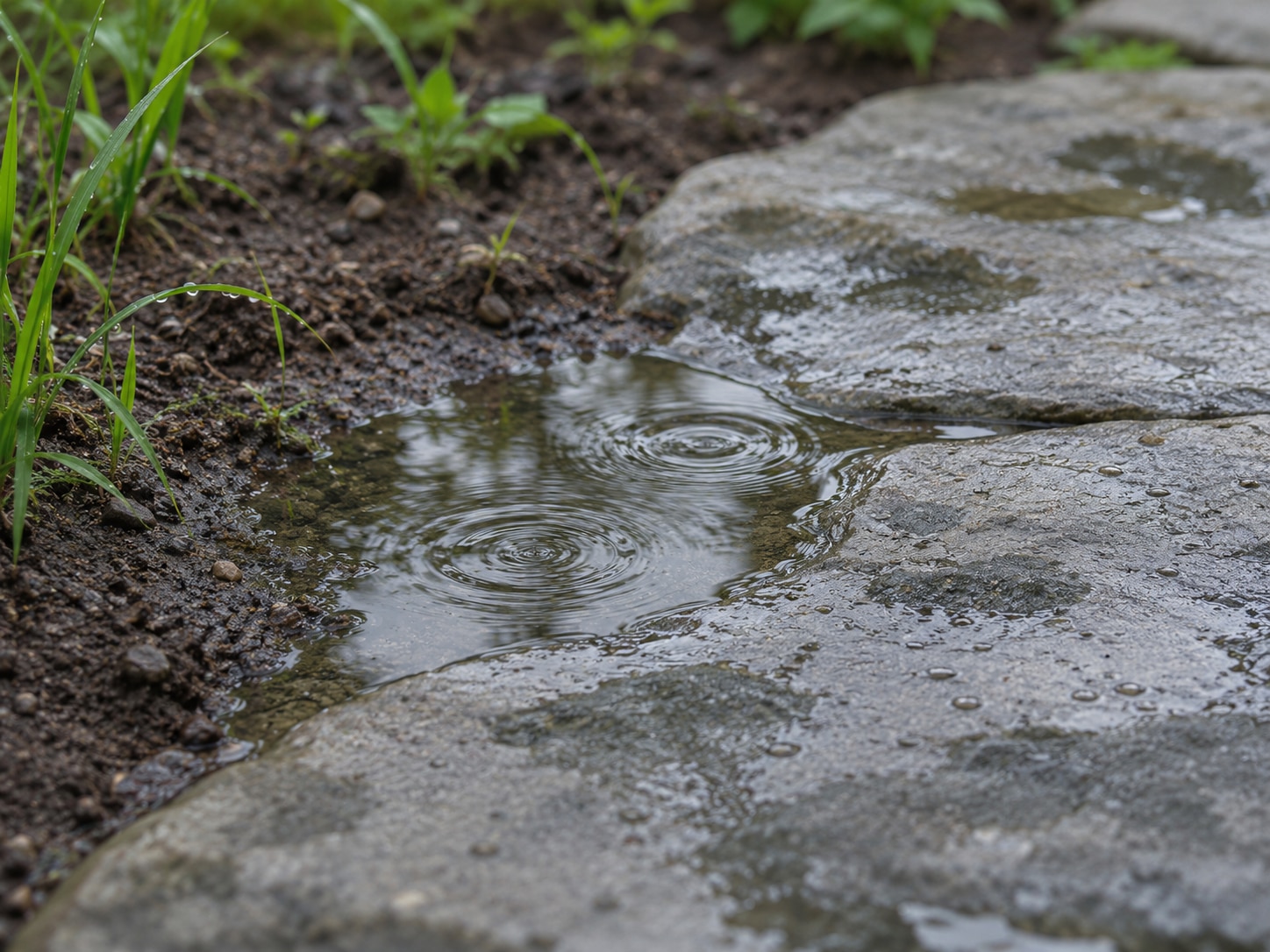
The first drops darken a dry path. Before the ground is thoroughly wet, an earthy scent can already be in the air.
That familiar smell is often called petrichor. The rain is part of the explanation, but so are the materials it touches. Soil, rock and the compounds around them help give wet weather its recognizable scent.
A name that began with stone
In 1964, CSIRO researchers Bear and Thomas described an odor released when dry natural materials were moistened. Their work gave us the word petrichor.
CSIRO’s account of the research describes how the scientists recovered an oily substance from rocks exposed to warm, dry conditions. Moisture helped release the odor associated with that material.
It is a useful distinction: the scent we associate with rain can begin with substances already present at the surface. Water changes how we encounter them.
The earthy note has a microbial connection
One well-known earthy-smelling compound is geosmin, which can be produced by soil bacteria called Streptomyces.
A 2020 study published in Nature Microbiology examined geosmin and another volatile compound emitted by these bacteria. The researchers found that the odors attracted springtails, small soil-dwelling arthropods that helped disperse bacterial spores.
That study concerned an ecological relationship in soil. It did not measure the scent of every rainstorm. Geosmin is part of the wider story of earthy odors; petrichor should not be treated as a single ingredient with a fixed recipe.
What happens when a drop lands
In experiments reported by MIT in 2015, researchers used high-speed cameras to watch droplets strike porous surfaces, including soils.
As a drop spread on impact, it could trap tiny air bubbles beneath it. Those bubbles rose through the liquid and burst, releasing much smaller droplets into the air. These airborne droplets are aerosols.
The researchers proposed that this process could help carry aromatic substances from the ground into the air. They observed the droplet-and-bubble mechanism; they did not establish one complete chemical explanation for all rain smells.
Surface properties and impact speed mattered. Under the tested conditions, lighter or moderate impacts could produce more aerosols than faster, heavier ones. A harder downpour therefore does not automatically mean more of this particular release mechanism.
A small encounter at the surface
The smell after rain brings together chemistry, soil life and moving water. Some of the substances have been there before the first drop arrives; wetting and impact help change what reaches the air.
The water itself also has other routes ahead. Our guide to how rain reaches groundwater follows the part of that journey that continues below the surface.
An earthy scent and a darkened path are two ways to notice the same arrival. One is visible on the ground; the other reaches you through the air.
Sources
- CSIRO: The smell of rain and the origins of petrichor
- Becher and colleagues: Geosmin, Streptomyces and springtail interactions (2020), via John Innes Centre
- MIT: Rainfall can release aerosols (2015)
Sources checked November 22, 2026.
Editorial · not medical advice