Water science
How Rain Reaches Groundwater
A wet patch of soil is the beginning of a possible journey underground. How much rain reaches an aquifer depends on the ground, the weather and what happens along the way.
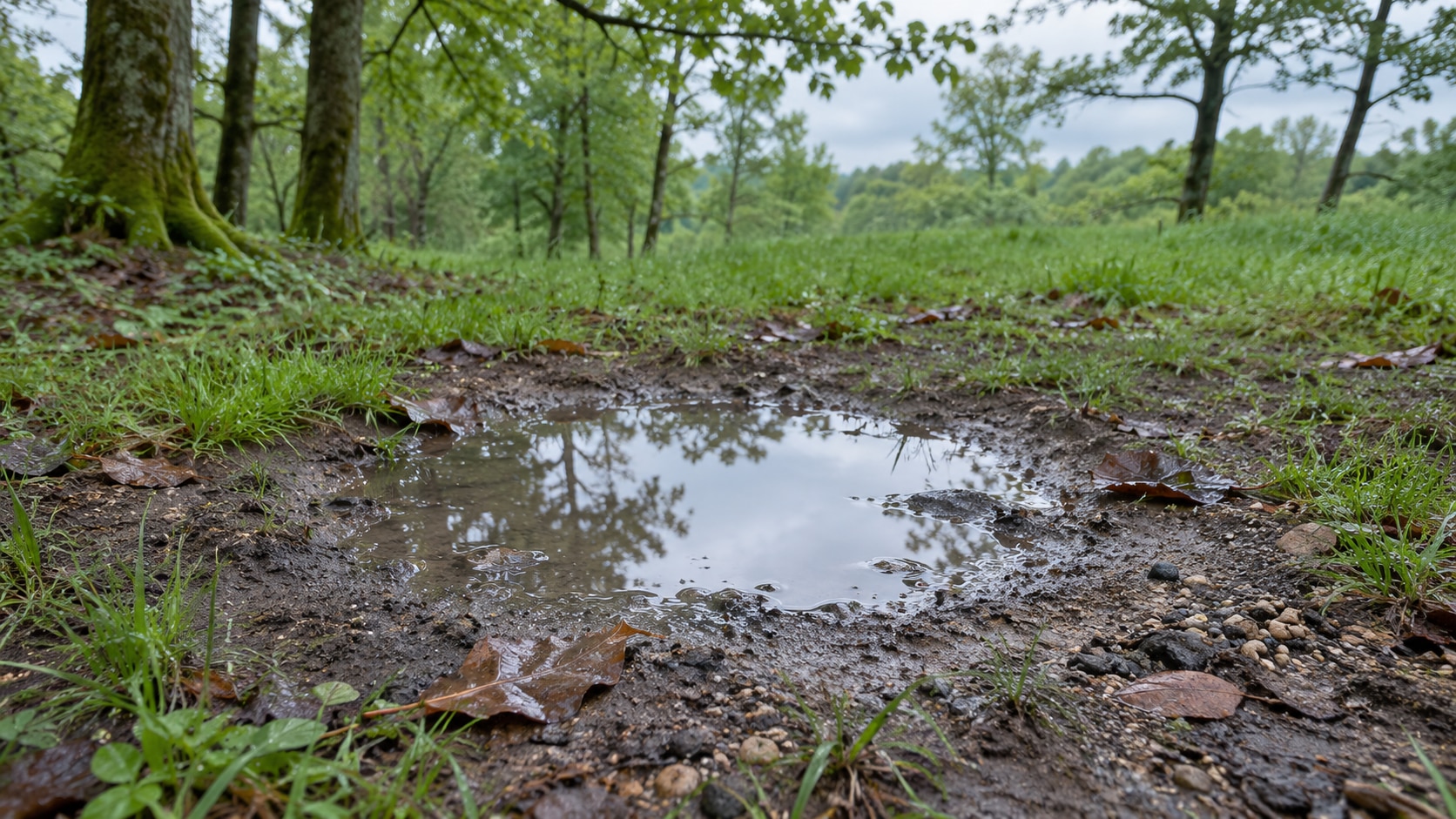
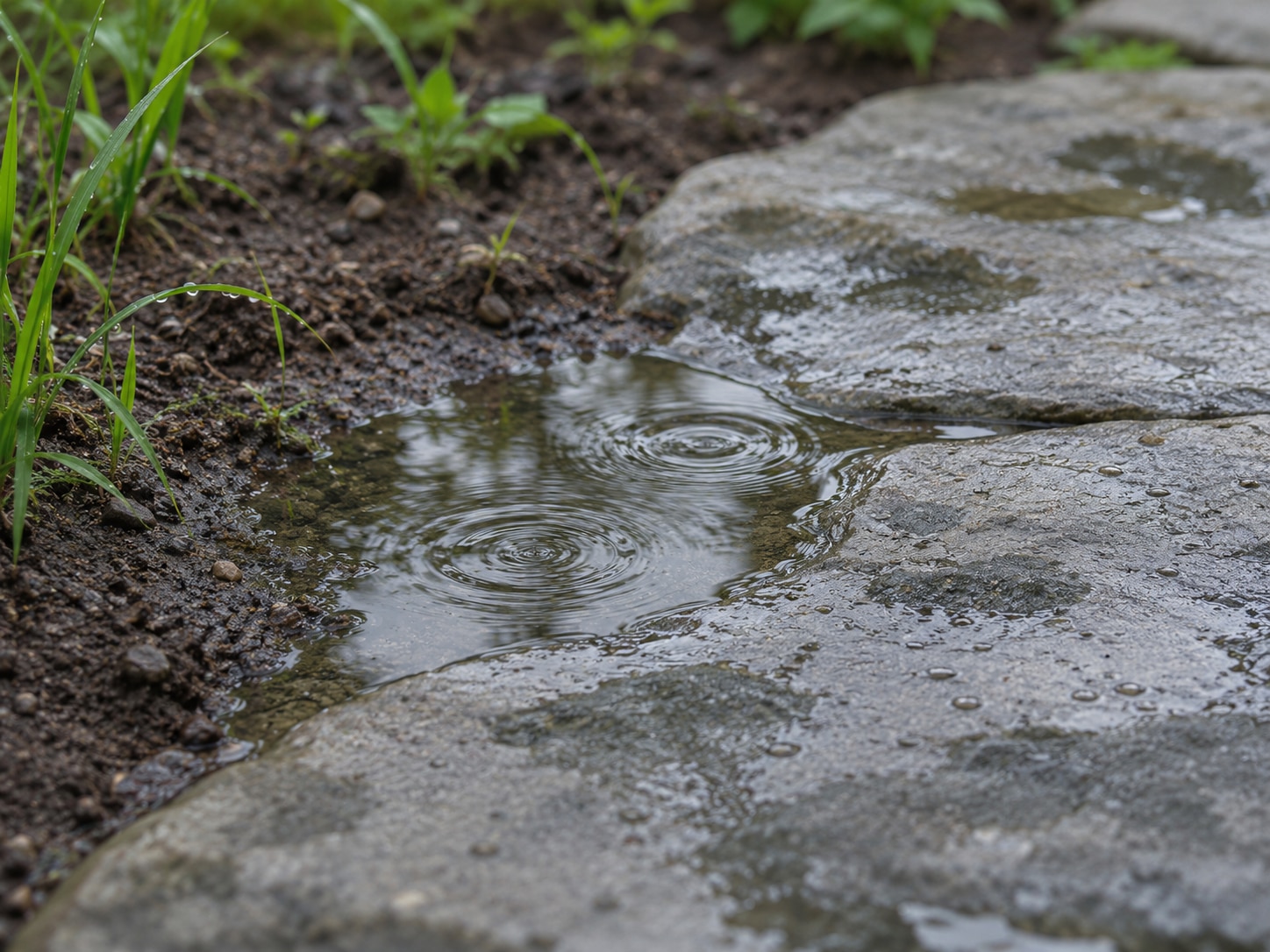
After a shower, the changes are easy to see: darkened soil, wet leaves, water gathered in a low spot. The next part of the journey happens out of sight. Some rain enters the ground, but a damp surface alone doesn’t tell you how much water has reached an aquifer.
Two terms help explain the difference. Infiltration is water entering the soil. Groundwater recharge is the part that continues down to the saturated ground below.
Getting through the surface
Rain has several possible routes. It can run across the land, evaporate, or soak in. Some of the water that enters the soil stays near the surface, where plants can use it and return water to the atmosphere.
The USGS guide to infiltration describes why the ground matters. Soil texture, the amount of water already present, vegetation, slope and the intensity of the rain all influence how much soaks in. Pavement changes that route again, sending more water across the surface.
That means the same rainfall total can have different consequences in different places. A garden, a paved parking lot and a steep hillside don’t give the water the same opportunity to enter the ground.
Below the damp soil
Above the water table, spaces in soil and rock contain both air and water. Below it, those spaces are filled with water. The portion of infiltrating rain that reaches this saturated zone adds to groundwater recharge.
Groundwater often occupies pores between particles and cracks in rock. It needn’t be an underground lake. The USGS groundwater introduction explains how rock layers can also redirect water sideways, rather than allowing it to travel straight down.
The route and time spent underground vary. Contact with surrounding materials is also part of the story of dissolved minerals in water. Neither the route nor the depth, by itself, tells you that a water is ready to drink.
A rainy spell is only part of the picture
Refilling an aquifer also has to be considered alongside the water leaving it. USGS explains that sustained pumping faster than replenishment can deplete groundwater storage. A welcome spell of rain doesn’t, on its own, establish that a local groundwater supply has recovered.
When a report says rain has helped water supplies, look for what was measured. Rainfall, river flow, reservoir storage and groundwater levels describe different parts of the system. For an aquifer, the location and period of the groundwater observations matter.
The wet ground outside is one visible part of the water cycle. Understanding what happens below it takes a closer look at the landscape and the measurements beneath the surface.
Editorial · not medical advice