Water science
Why Water Can Look Blue
Water can look colorless in a glass and blue across a lake or sea. The difference starts with the light traveling through it.
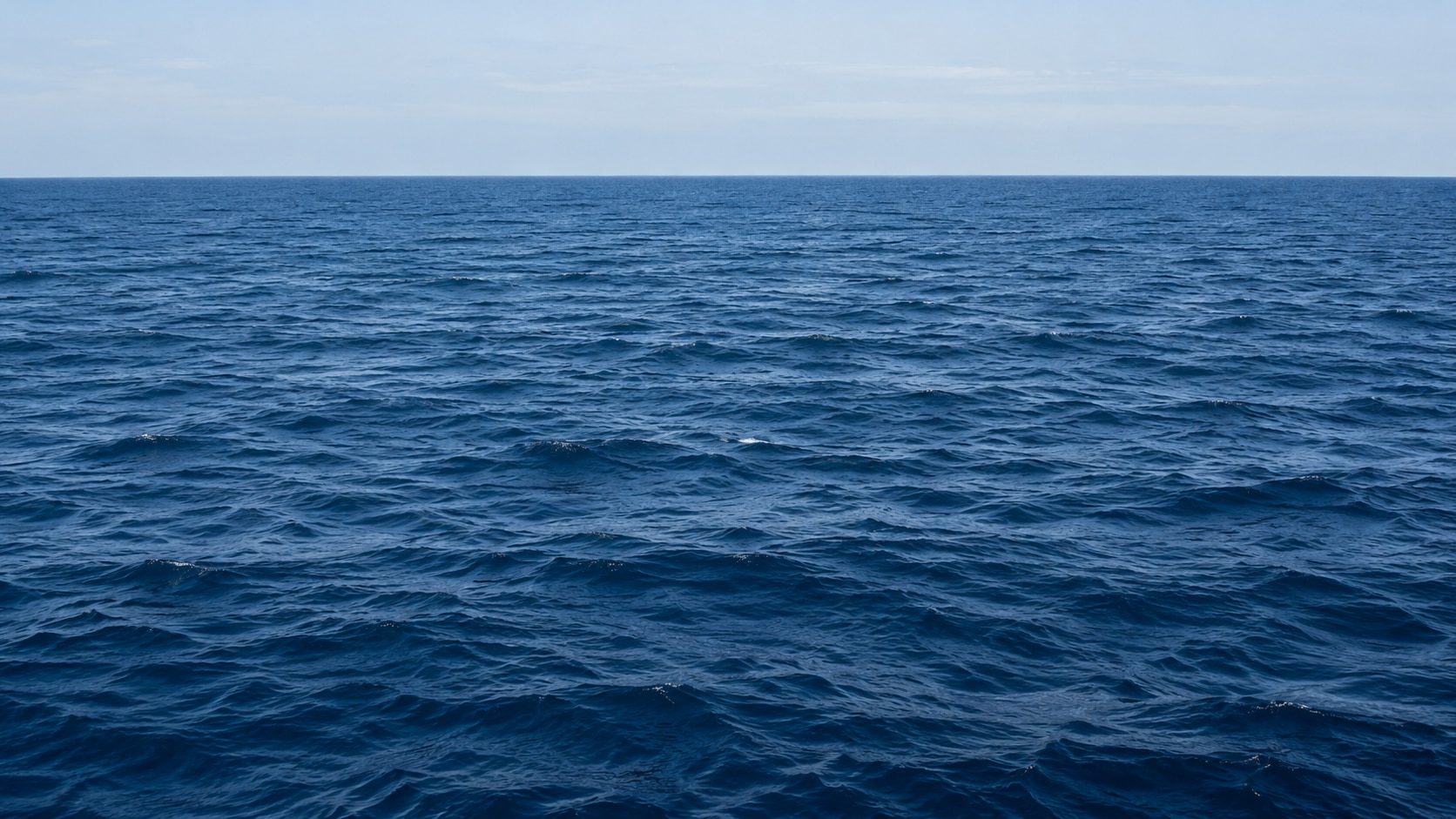
A glass of water on the table looks almost colorless. Out at sea, a whole field of water can look blue. It’s reasonable to wonder whether the color comes from something in the water, the sky above it, or the water itself.
Even pure water has a faint blue tint, according to the USGS explanation of water color. You see it more readily through a long column of water than through the small amount in an ordinary glass.
A longer journey for the light
Sunlight contains a range of visible colors. As it travels through water, those colors aren’t all absorbed equally. Water absorbs light toward the red end of the visible spectrum more strongly, leaving a greater proportion of blue light for us to see.
NOAA describes the ocean as a filter for sunlight. That helps explain the difference between a glass and a much larger body of water: the light has more water to travel through, and more opportunity for selective absorption along its route.
The blue isn’t simply a copy of the sky. The physics behind the sky’s color and water’s own blue tint is different.
What comes back to your eyes
Absorption is only part of looking at an ocean. Light also scatters, changing direction when it interacts with water molecules or particles. Some of that light returns toward an observer.
In its explanation of ocean color, Scripps Institution of Oceanography describes how absorption and scattering work together. In water with relatively little algae, water itself is the main absorber. The light scattered back out is more likely to be blue because other colors have been absorbed more strongly.
That doesn’t mean all water should look the same. Scripps also explains how abundant algae can shift the color toward green. USGS describes other influences, including suspended sediment and dissolved organic material from plants. A change in hue can have several explanations.
Color and composition
Looking at a water’s color is different from reading its composition. A colorless-looking glass doesn’t reveal the amounts of calcium, magnesium or other dissolved constituents. Our guide to dissolved minerals in water explains why those need their own measurements.
The next time you notice a blue lake or sea, think about the amount of water the light has passed through and what else is in it. The almost colorless glass on the table and the blue view beyond it can both make sense once you follow the light.
Editorial · not medical advice