Water science
Why Cold Glasses Collect Water on the Outside
The droplets on a chilled glass come from moisture in the surrounding air. Understanding condensation explains why the same drink can leave a wet coaster in one room and stay dry in another.
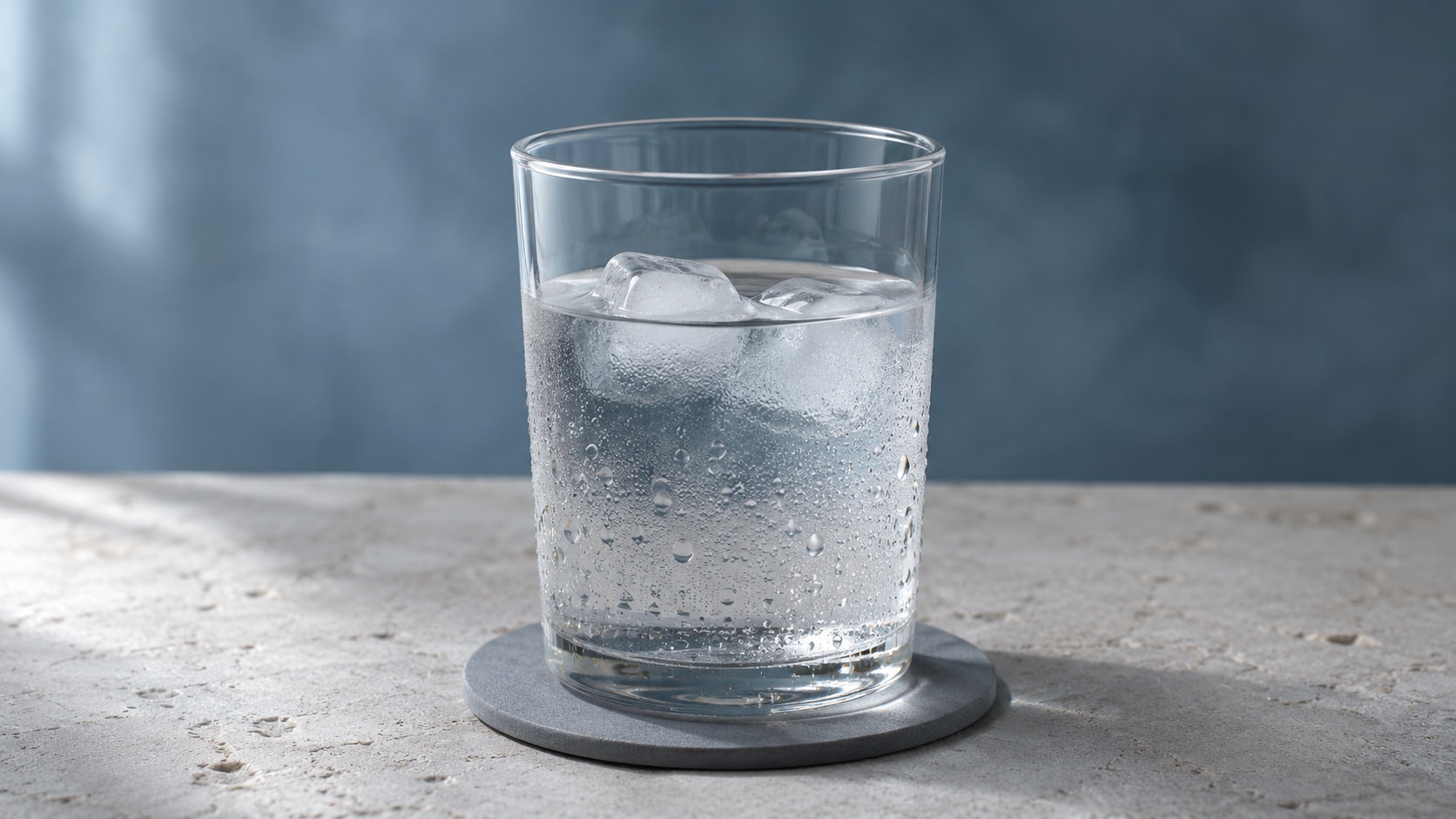
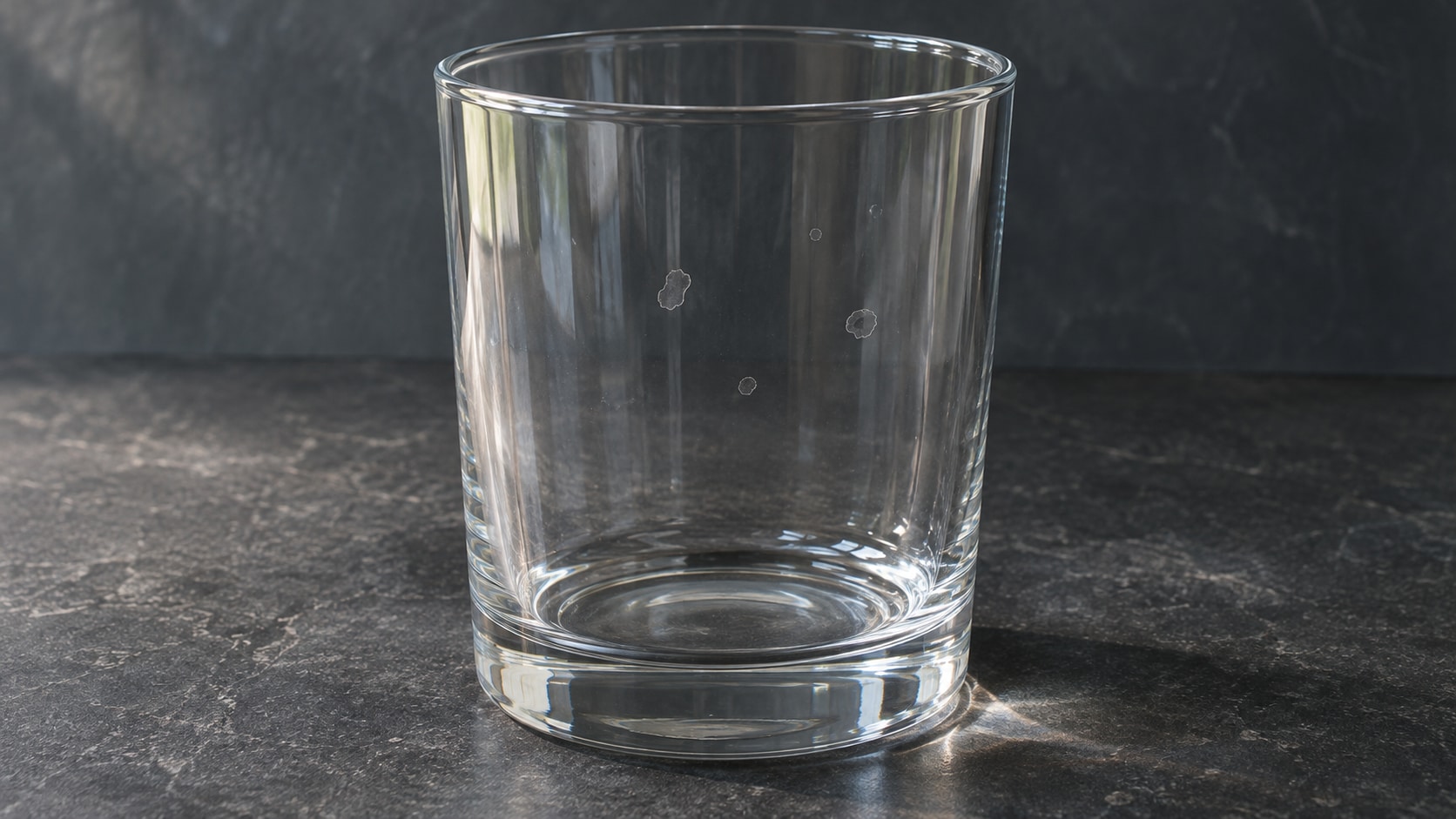
A cold glass can leave a wet ring even when the rim stays dry and nobody spills a drop. Moisture from the surrounding air gathers on its outer surface, then runs down toward the base.
The process is condensation. The U.S. Geological Survey uses a chilled drinking glass as an everyday example of water vapor changing into liquid. The glass gives that moisture a cold surface on which to collect. USGS explanation
A cold surface meets humid air
Water vapor is present in the air around the drink. When air immediately beside the glass cools sufficiently, some of that vapor becomes liquid droplets.
The relevant temperature is the dew point. The National Weather Service defines it as the temperature to which air must cool, at constant pressure, to reach saturation. A surface colder than the surrounding air's dew point can collect condensation. National Weather Service guide
That helps explain a familiar difference between rooms. A glass taken from the refrigerator may gather beads quickly in humid air. Under drier conditions, the same glass may stay clearer. Both the surface temperature and the moisture conditions around it matter.
The water level leaves a clue
Ice and cold water cool the glass where they make contact with it. In NOAA's classroom demonstration, students add ice and cold water to a glass, wait, and observe moisture forming outside. The lesson traces those droplets to atmospheric water vapor. NOAA demonstration
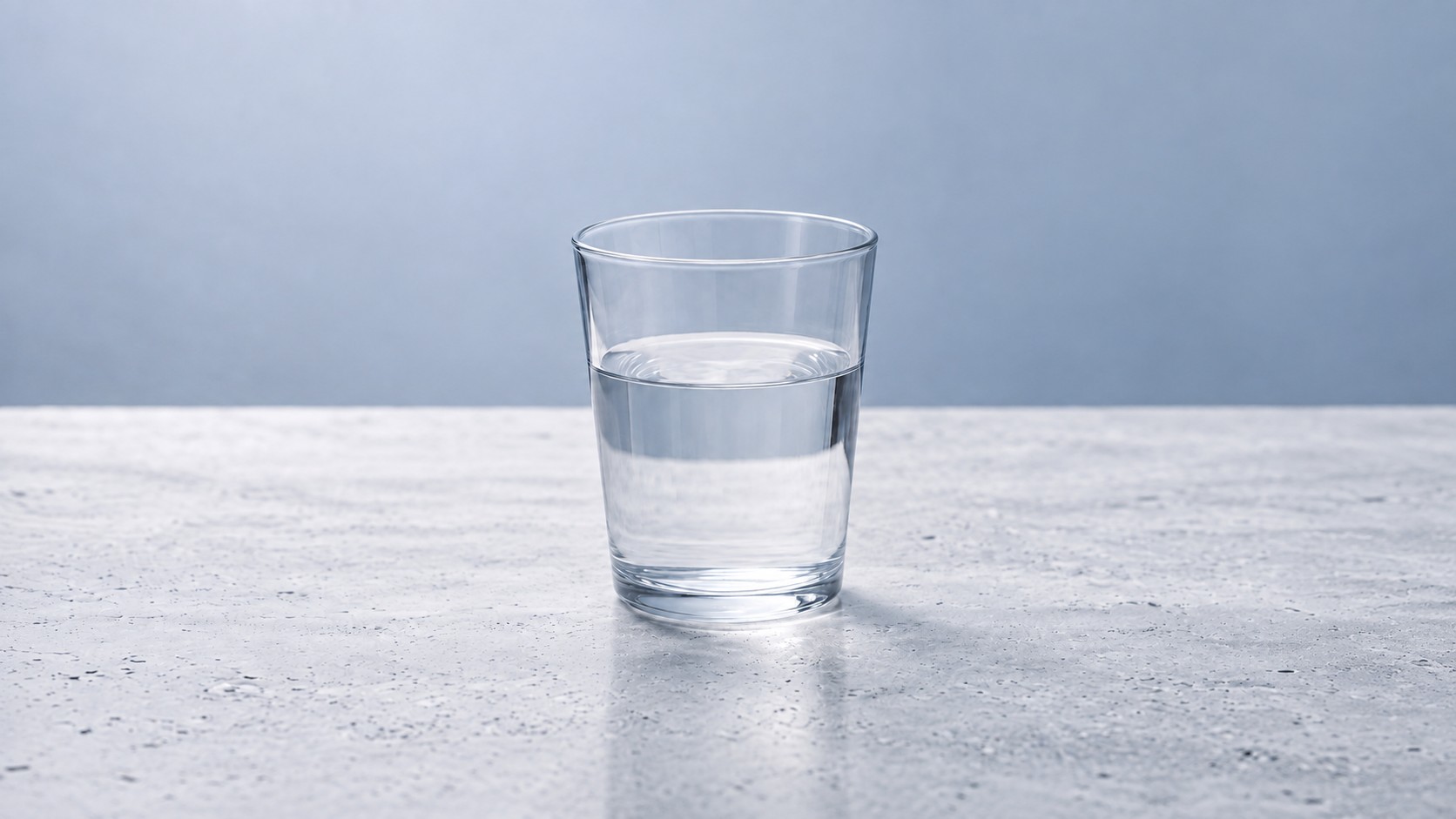
You can look for that pattern at the table. Droplets often gather on the cold lower wall while the warmer section above the drink looks clearer. The precise boundary depends on how the glass warms and cools, so it will vary with the vessel and conditions.
Set the table for a chilled drink
A coaster gives the collecting droplets somewhere to land. USGS specifically connects drink coasters with this everyday movement of condensed water down a chilled glass.
For serving, put the coaster down before bringing out the cold glass. Give guests a napkin within reach, and wipe accumulated moisture before moving the drink onto a surface that could mark. These are simple serving choices, especially when setting out several chilled waters together.
Condensation also belongs in the background when comparing waters. Beading reflects the glass and its surroundings. Use the bottle's label and dated testing records to understand composition, and a consistent tasting setup to compare what you notice in the drink.
Sources
- U.S. Geological Survey — Condensation and the Water Cycle
- National Weather Service — Dew Point vs Humidity
- NOAA JetStream — Sweatin' to the Coldies
Sources checked November 6, 2026.
Editorial · not medical advice