Water & the world
What the Number on a Plastic Bottle Means
The small number molded into a bottle identifies its plastic. Your local collection guide supplies the rest of the recycling instructions.
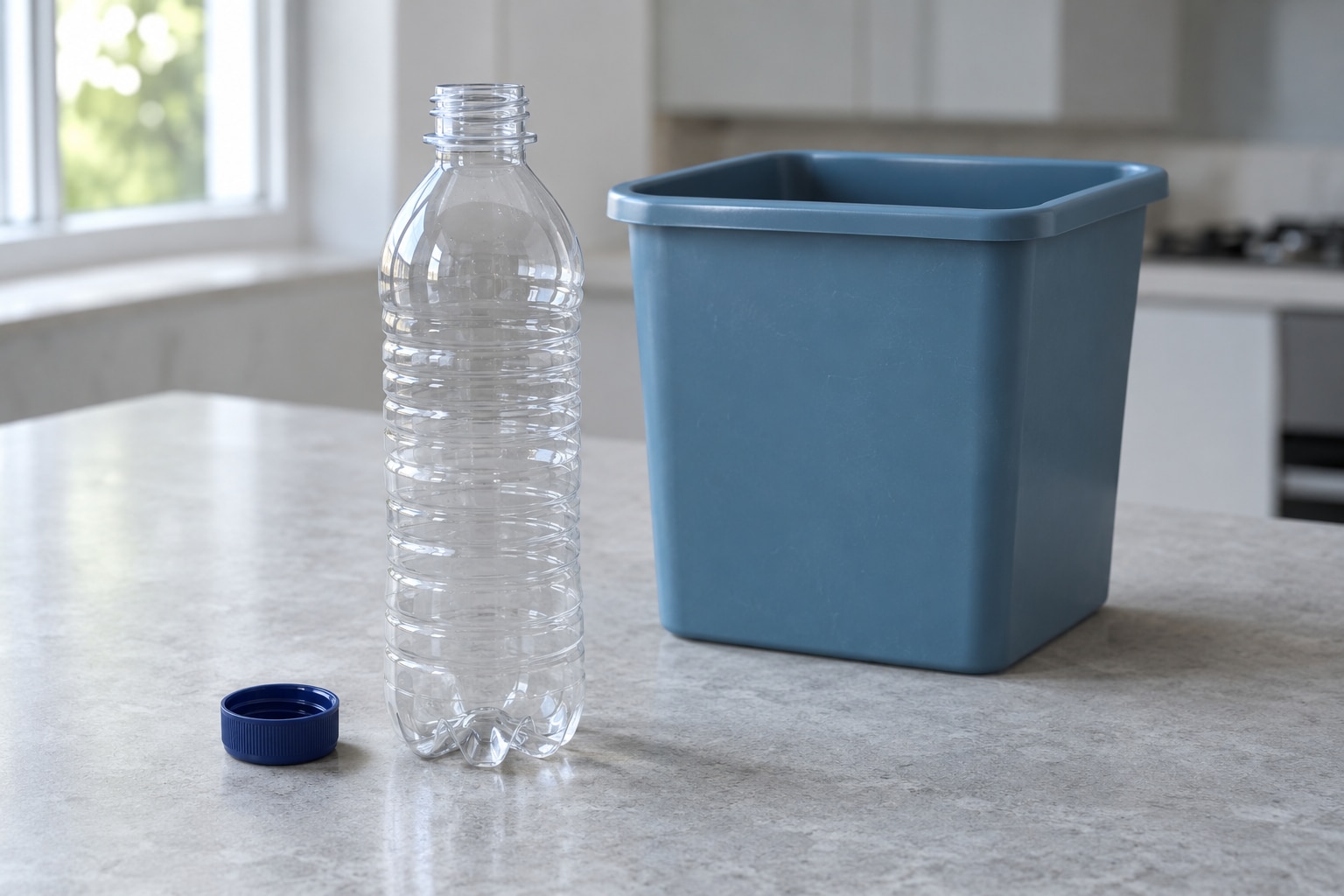
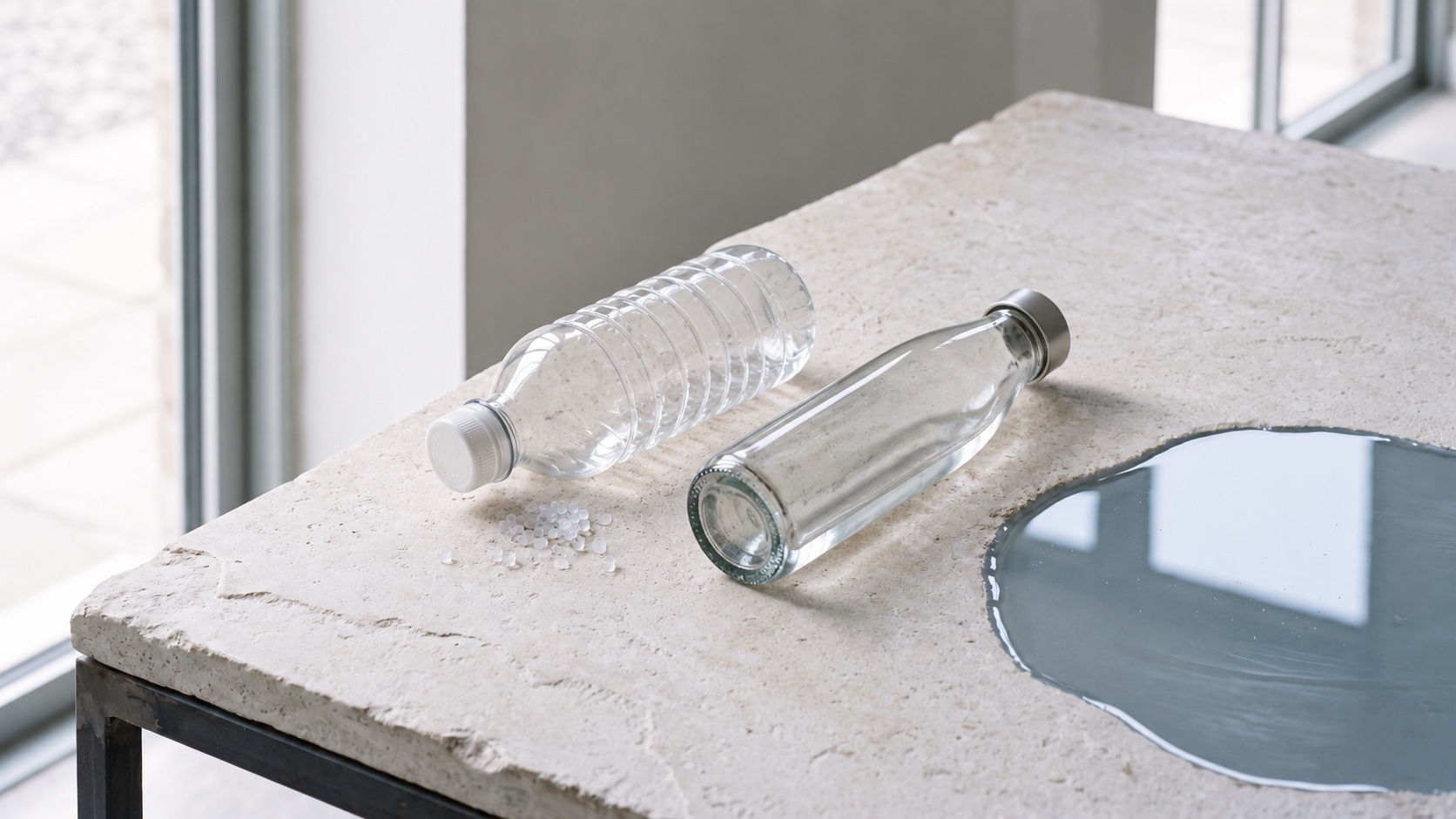
Turn an empty plastic bottle over and you may find a small number molded into the base, sometimes inside a triangle. It is easy to read that mark as an instruction to put the bottle in a recycling bin.
The number is a resin identification code. It identifies the type of plastic. The EPA cautions that the triangle and number do not necessarily mean a community collects the item for recycling.
That leaves two things to check: what the container is made from, and whether the collection service where you are accepts it.
Two numbers you may find on beverage containers
NIST explains the materials behind common plastic codes:
| Code | Material | A familiar example |
|---|---|---|
| 1 | Polyethylene terephthalate, or PET | A clear plastic water bottle |
| 2 | High-density polyethylene, or HDPE | A plastic milk jug |
These examples help you read the mark; they do not identify every bottle by appearance. Check the container itself.
Plastics need sorting because different polymers do not necessarily mix well when processed into new materials. NIST describes facilities using infrared measurements to distinguish plastic types. The code gives you a material category, rather than a complete account of the additives, pigments or other components in an individual package.
Match the item as well as the number
A collection guide may list numbers, container types, or both. Read the whole entry. An instruction accepting bottles does not automatically include every object made from the same plastic.
Michigan’s environmental agency illustrates why format matters: rigid containers and flexible bags or wraps require different handling. Its guide points residents toward separate collection routes for flexible packaging.
For a bottle you finish at home, check the current guide from your city or collection provider. At a hotel, office or airport, check that location’s instructions. A rule you know from home may not describe the bin in front of you. If the guide leaves the item unclear, ask the provider before adding it.
Empty bottle, then check the details
After confirming that the bottle is accepted, look for preparation instructions. Empty out the remaining drink. Check whether the guide asks for rinsing, how it handles caps, and whether containers should be flattened.
The EPA’s general guidance says caps and labels can typically stay on plastic bottles, while emphasizing that local programs can have different rules. Follow the instructions for the service you are using rather than treating cap removal as a universal step.
Michigan’s guide recommends a quick rinse to remove residue and help keep other collected materials cleaner. A bottle that held plain water will not have the same residue as a food container.
What the code cannot establish
A resin number does not state a recycled-content percentage. It also cannot show whether a particular bottle was collected, sorted or made into another product. Those questions require separate information about material inputs or what happened after collection.
Our guide to beverage packaging claims covers those broader distinctions. For the bottle in your hand, the useful sequence is shorter: read its material code, find the accepted item in the local guide, and follow that service’s preparation instructions.
Sources
- NIST: How Do Recycling Facilities Sort Different Kinds of Plastic?
- EPA: Questions about the sustainable management of plastics
- EPA: How Do I Recycle Common Recyclables?
- Michigan EGLE: Rules for recycling plastic
Sources checked November 20, 2026.
Editorial · not medical advice